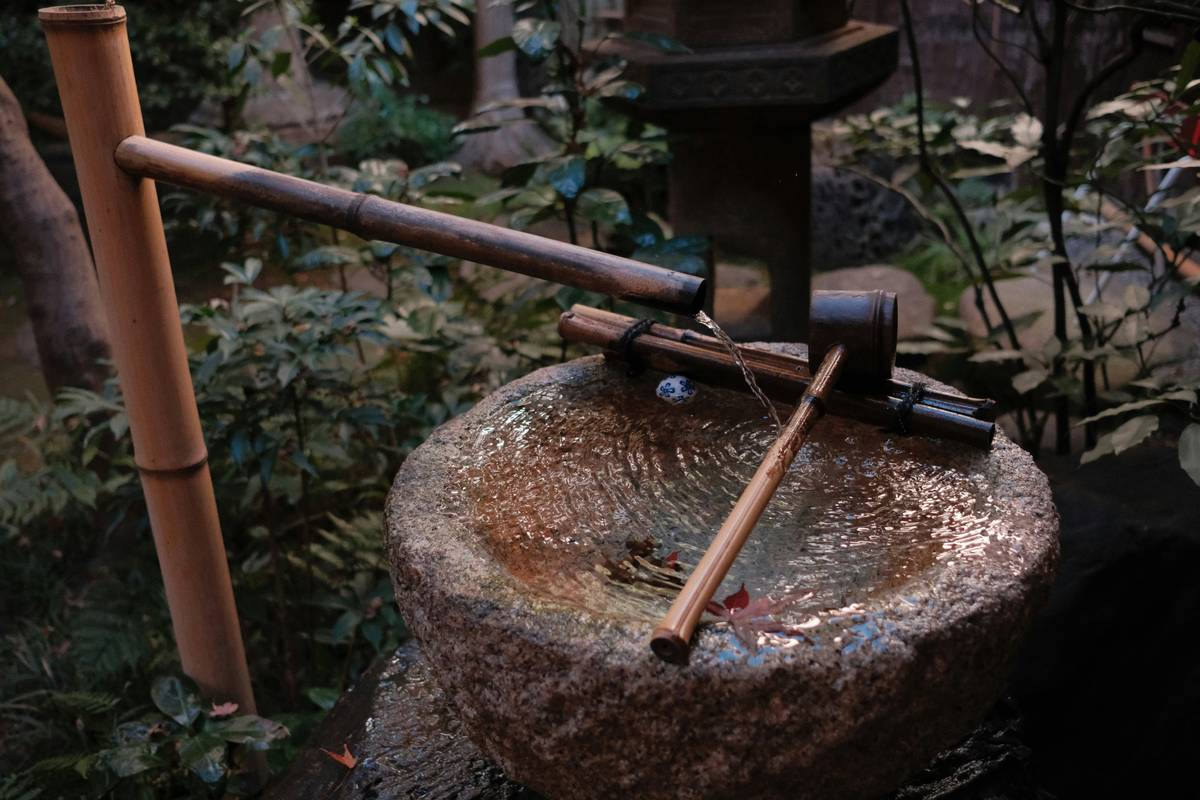
Ever stared at your backyard wondering how to add water without digging a crater? You’re not alone. Traditional in-ground ponds demand serious excavation, drainage planning, and often—expensive professional help. But what if you could get the serene ripple of koi or the soothing sound of a fountain with half the hassle? That’s where ideas for raised ponds come in. In this guide, we’ll walk you through practical, budget-smart approaches that blend beauty with backyard practicality—all while sidestepping rookie errors I’ve painfully learned myself.
Table of Contents
- Why Raised Ponds Solve Real Home Improvement Headaches
- Step-by-Step Guide to Building Your Own
- Best Practices for Long-Term Success
- Real-World Examples That Actually Work
- Frequently Asked Questions
Key Takeaways
- Raised ponds eliminate complex excavation and improve accessibility for kids and seniors.
- Liners must be UV-resistant and properly supported—flexible EPDM is top-tier.
- Even small ponds need filtration; stagnant water breeds mosquitoes.
- Avoid placing near trees—root intrusion and leaf litter are silent killers.
- You can build a functional 3’x4′ raised pond for under $300 with smart sourcing.
Why Raised Ponds Solve Real Home Improvement Headaches
In-ground ponds look dreamy—until you hit clay soil, buried pipes, or a high water table. I once spent a weekend digging only to watch rain fill my “pond” with muddy soup by Tuesday. Worse, slopes made it impossible to level. Raised designs bypass these nightmares entirely. They sit above grade, often framed with stone, wood, or composite materials, turning problematic yards into focal points.
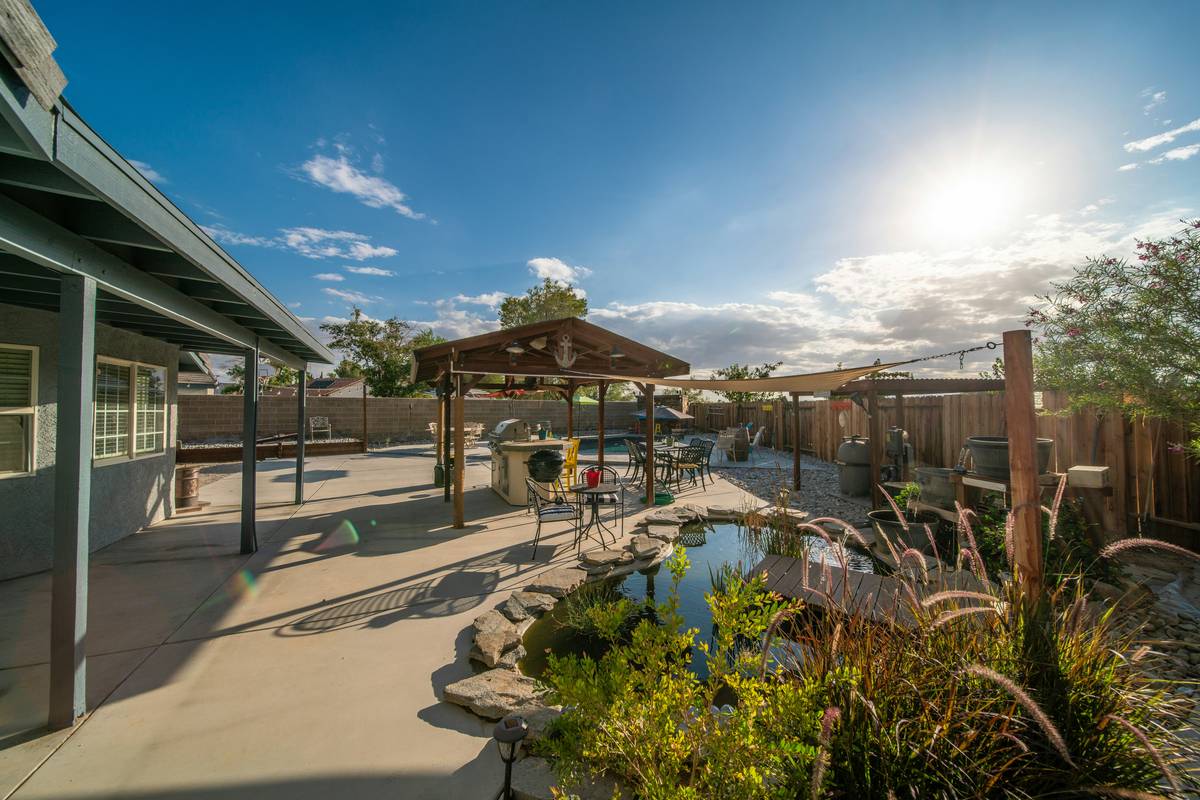
According to the University of Florida IFAS Extension, “elevated water features reduce mosquito breeding risks when properly maintained” (UF/IFAS, 2022). That’s huge—not just aesthetics, but health. Plus, they’re wheelchair-accessible, pet-safe (with thoughtful design), and perfect for urban lots with compact footprints. At Cambo Zone, we’ve seen clients transform forgotten corners into meditative oases using nothing more than reclaimed timber and a 45-mil liner.
Step-by-Step Guide to Building Your Own
1. Choose Your Frame Material
Cedar resists rot naturally. Composite decking scraps? Free if you know a contractor. Avoid pressure-treated pine—it can leach copper into water, harming fish. I learned this the hard way when my goldfish turned listless within weeks.
2. Size It Right
Start small: 3–4 feet wide, 18–24 inches deep. Deeper than 24” requires structural bracing. Remember, every inch adds weight—water weighs 8.3 lbs per gallon!
3. Install the Liner
Use 45-mil EPDM rubber (not cheap vinyl). Drape it loosely over your frame; don’t stretch it tight. Secure edges with coping stones or stainless steel clips. Trim excess only after filling partially—this lets the liner settle without wrinkles.
4. Add Filtration From Day One
Even ornamental ponds need circulation. A submersible pump ($40–$80) paired with a simple biofilter prevents algae explosions. Skip this, and you’ll spend summers scrubbing green slime.
Best Practices for Long-Term Success
- Never skip the underlayment: Landscape fabric beneath the liner prevents punctures from rough wood grain.
- Shade is non-negotiable: Position your pond where it gets 4–6 hours of sun max. Full sun = algae city.
- Drain before winter: In freezing zones, empty and cover to avoid cracked liners.
- The terrible tip to ignore: “Just use an old stock tank.” Metal heats up fast, stresses fish, and looks industrial unless heavily disguised.
And please—stop lining ponds with plastic sheeting from hardware stores. It degrades in 6 months. Invest in proper pond liner; your future self will thank you.
Real-World Examples That Actually Work
Last spring, a reader in Portland built a 4’x6’ raised pond using salvaged railway ties (sealed with eco-friendly oil). Total cost: $220. Within three months, it hosted two koi, dwarf water lilies, and became her morning coffee spot. The secret? She added a $50 solar fountain—enough movement to deter mosquitoes without electricity.
Nationally, the National Association of Landscape Professionals reports a 27% rise in raised water feature requests since 2020 (NALP, 2023 Industry Survey). Why? Homeowners want low-maintenance tranquility—and ideas for raised ponds deliver exactly that. Another client in Austin stacked concrete blocks, painted them matte black, and tucked fairy lights beneath the rim. Elegant, modern, and zero digging required.
These aren’t Pinterest fantasies—they’re proof that smart, elevated designs solve real constraints. Whether your yard slopes, has rocky soil, or you simply crave a safer setup for toddlers, ideas for raised ponds adapt brilliantly.
Frequently Asked Questions
Can I put fish in a raised pond?
Yes—but depth matters. Goldfish need at least 18” of water; koi require 3+ feet. Ensure filtration is robust and shading is adequate to keep temperatures stable.
How do I prevent leaks in wooden frames?
Line the interior with EPDM rubber and use pond-safe sealant on joints. Never rely on caulk alone—it cracks as wood expands.
Are raised ponds easier to maintain than in-ground ones?
Generally, yes. Debris is easier to skim, cleaning is less back-breaking, and you avoid groundwater contamination issues.
What plants thrive in shallow raised ponds?
Dwarf water lilies, water hyacinth, and parrot’s feather do well in 12–18” depths. Avoid invasive species—check local regulations via your state’s department of natural resources.
Do I need a permit?
Most residential raised ponds under 200 gallons don’t require permits, but verify with your local zoning office. Safety fencing may be needed if you have young children.
Where can I get personalized advice?
We love helping readers bring their visions to life—reach out anytime via our Contact Us page. And don’t forget to review our Privacy Policy if you share project photos or measurements.
Water doesn’t have to mean trench warfare in your yard. With thoughtful planning, even the most chaotic corner can host a shimmering, life-filled retreat—no backhoe required. So grab your tape measure, sketch a frame, and start dreaming. Your future self, sipping tea beside gentle ripples, is already grateful.
Still water runs deep—but yours should run clear, calm, and completely yours.